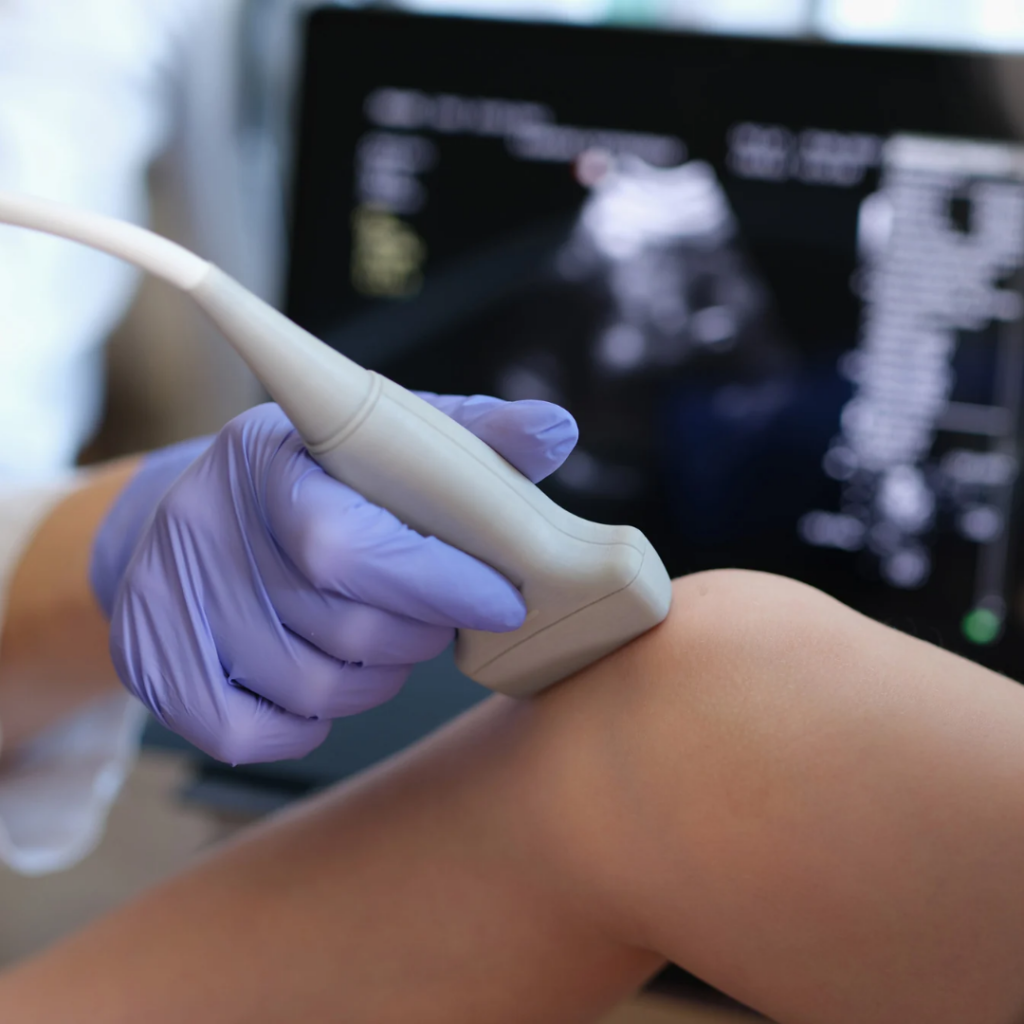
An anterior cruciate ligament (ACL) injury is one of the most common injuries among athletes and physically active individuals. Sports which involve sudden changes of direction, place significant stress on the knee and can result in ACL rupture. Today, recovery is increasingly based on personalized treatment pathways, where rehabilitation plays a key role in returning to daily activities and sport.
Anterior cruciate ligament injury: how to achieve the best recovery
- What happens when the ACL tears?
- Two possible treatment pathways
- Rehabilitation makes the difference
- The role of isokinetic testing in recovery
- Want to know more or receive commercial offers?
- Scientific literature
What happens when the ACL tears?
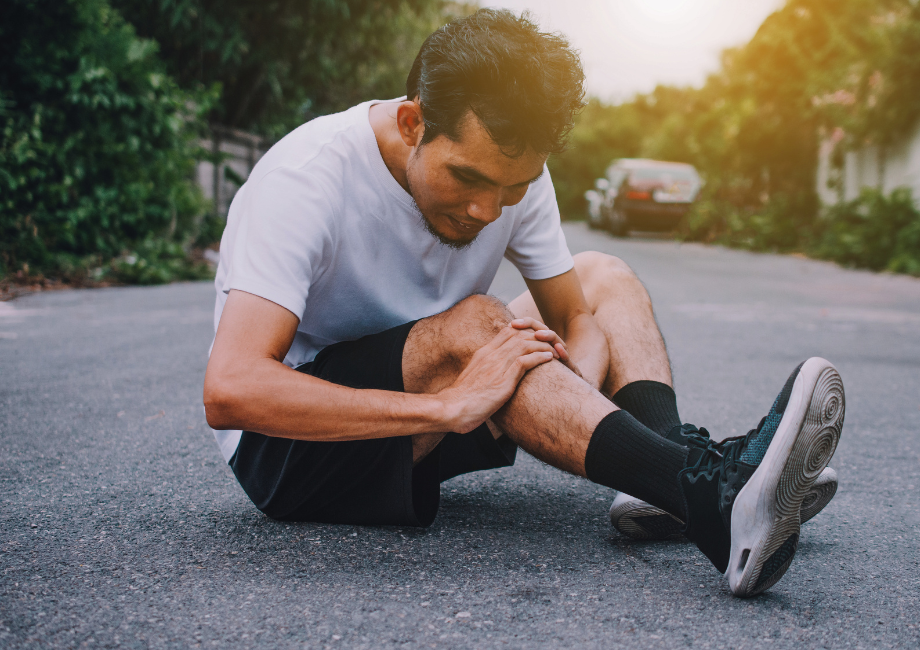
An ACL rupture is often associated with a sports-related trauma and typically presents with:
- immediate pain and swelling;
- a “popping” sensation at the time of injury;
- feelings of instability or giving way;
- difficulty performing demanding athletic movements.
Beyond joint stability, an ACL injury may also affect proprioception and neuromuscular control, two essential components for safe and efficient movement.
Two possible treatment pathways
Management of an ACL injury is becoming increasingly individualized. Not every patient necessarily requires surgery. The doctor’s decision depends on activity level, knee instability, associated injuries, and personal goals.
- Surgical reconstruction: it is often recommended for young athletes and for individuals aiming to return to high-demand activities. The goal is to restore knee stability and reduce the risk of recurrent instability episodes.
- Conservative management: in some cases, a non-surgical approach based on physiotherapy, strength recovery, and neuromuscular retraining may be appropriate. This option can be effective, particularly for patients with lower functional demands or those who do not participate in sports involving frequent pivoting and cutting movements.
Rehabilitation makes the difference
Whether treatment involves surgery or conservative management, successful recovery largely depends on the quality of rehabilitation. Following an ACL injury, the loss is not limited to muscle strength: neuromuscular control, proprioception, and confidence in movement may also be affected. For this reason, modern rehabilitation focuses on rebuilding coordination, stability, and confidence during sport-specific movements.
The key stages of ACL rehabilitation include:
- restoring joint mobility;
- rebuilding muscle strength;
- improving proprioception;
- restoring neuromuscular control;
- gradually returning to sport-specific activities.
Today, return-to-sport (RTS) decisions should not be based solely on the time elapsed since injury or surgery. Strength, limb symmetry, movement quality, and psychological readiness are all essential factors in reducing the risk of a second injury.
The role of isokinetic testing in recovery
Isokinetic testing allows clinicians to objectively assess muscle strength and monitor recovery after an ACL injury, both in surgically treated patients and in those following a conservative pathway.
Devices such as Genu Plus support patients throughout the different stages of rehabilitation. In the early phases, passive modes can help restore joint mobility, while later stages may include isometric, concentric, and eccentric training to progressively strengthen and evaluate muscle performance. Comparing the injured limb with the healthy side provides objective data that help clinicians track recovery and support return-to-sport decision-making.
Want to know more or receive commercial offers?
To know more, write at info@easytechitalia.com or call 055 8455216.
Scientific literature
Martelli G, Grazzini G. La metodica isocinetica nella valutazione e nella riabilitazione del ginocchio dell’atleta. Easytech Education and Research Department
Other articles