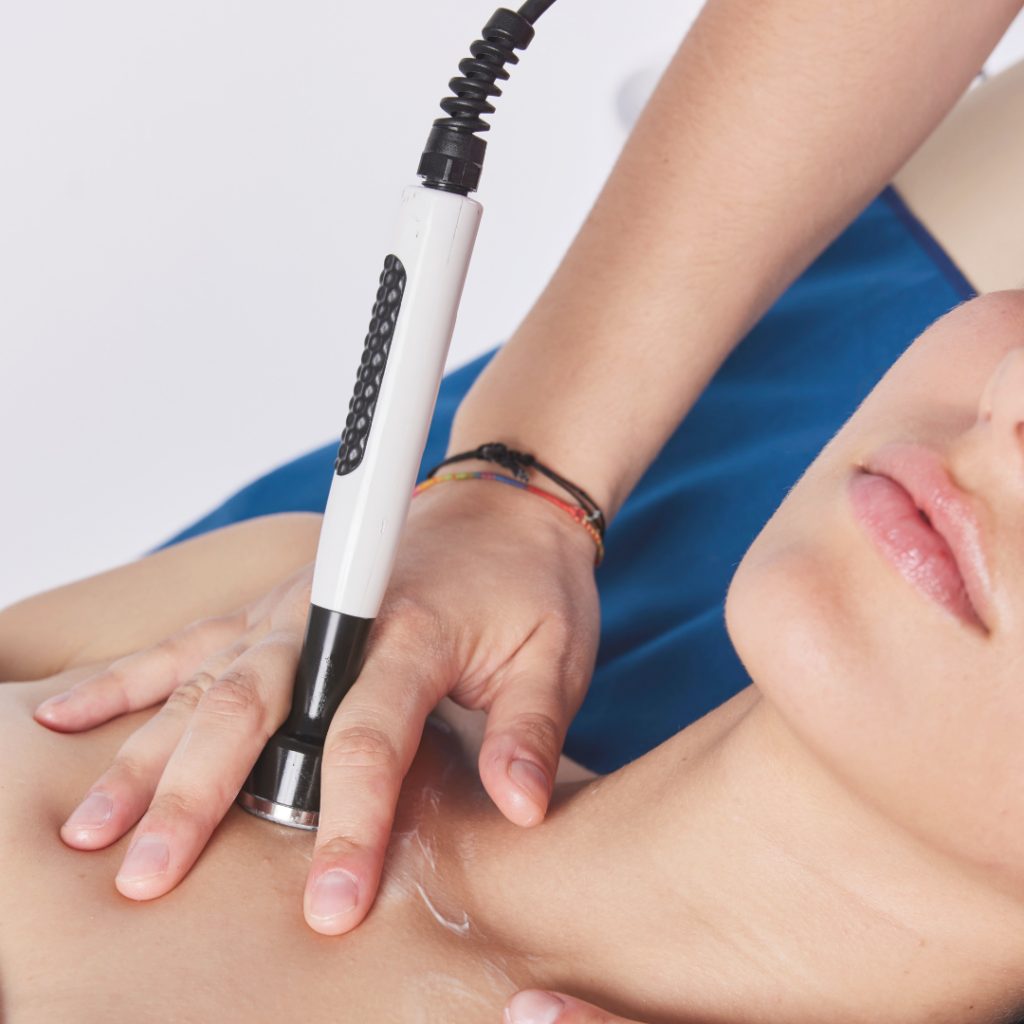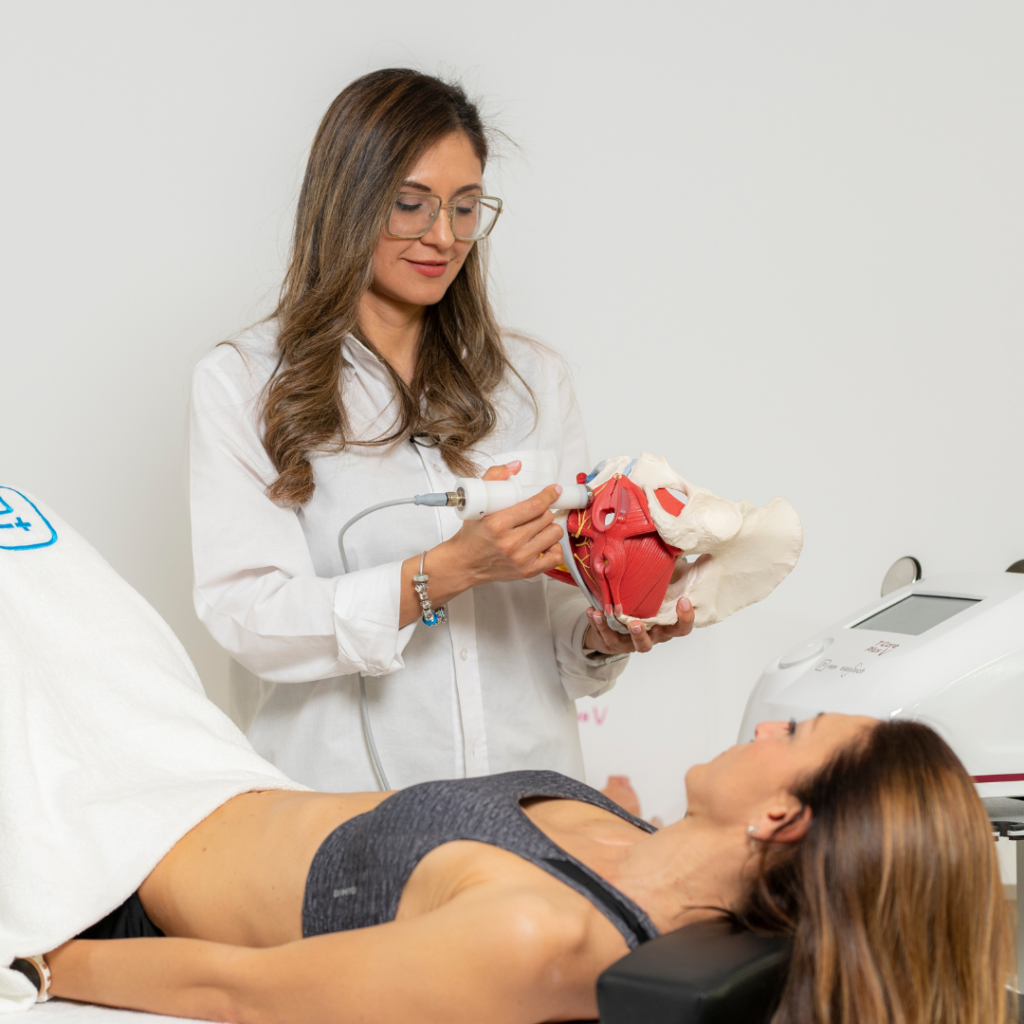
Repetitive Peripheral Magnetic Stimulation (rPMS) has attracted growing interest in physiotherapy, rehabilitation, and sports medicine in recent years. Used in modern high-intensity inductive systems, this technology employs pulsed magnetic fields to stimulate neuromuscular structures and support therapeutic pathways and functional recovery.
Repetitive Peripheral Magnetic Stimulation (rPMS): applications and benefits

- What is rPMS, how does it work, and what are its benefits?
- Biological Effects of rPMS
- Clinical Applications
- Inductive Systems: emField Pro and Salus Talent Pro
- Want to know more or receive commercial offers?
What is rPMS, how does it work, and what are its benefits?
rPMS is a technique that uses repetitive magnetic pulses to generate electrical currents within biological tissues. This phenomenon, known as electromagnetic induction, enables the stimulation of deep neuromuscular structures without the need for electrodes applied to the skin. The action of rPMS involves:
- motor nerve fibers, responsible for muscle activation;
- peripheral sensory pathways that transmit information to the central nervous system.
Among the main advantages associated with this technology are:
- no skin discomfort: the electrical current does not pass through the skin, eliminating the pain or burning sensation often associated with surface electrodes.
- deep muscle recruitment: it can activate deep and stabilizing muscles that are difficult to contract voluntarily or stimulate superficially.
- high treatment comfort: magnetic impulses pass through clothing, allowing practical and comfortable treatment sessions.
- support for neuromotor recovery: the sensory and motor input generated by rPMS may promote neuroplasticity processes and support motor-function recovery in neurorehabilitation programs.
- applicability in a wide range of clinical and sports settings.
Biological effects of rPMS
rPMS acts through the interaction between the nervous and muscular systems, generating a neuromuscular response. Current scientific evidence suggests that rPMS may contribute to:
- neuromuscular activation, promoting the recruitment of neuromotor structures and supporting muscle function.
- pain modulation, through stimulation of peripheral sensory pathways involved in pain-perception mechanisms.
- trophic and circulatory effects, as repeated muscle contractions promote activation of the muscle pump, supporting local microcirculation and normal tissue-recovery processes.
- neuroplasticity and motor recovery, supporting neuroplasticity mechanisms and the recovery of motor function in patients with neurological impairments, including stroke survivors.
Clinical applications
Today, rPMS is used in different areas of physiotherapy and rehabilitation:
- musculoskeletal and orthopedic rehabilitation: spinal disorders, arthropathies, tendinopathies, and sports-related injuries.
- neurological rehabilitation: support for spasticity management and motor recovery in patients with neurological conditions.
- urogynecology and pelvic floor rehabilitation: urinary incontinence (stress, urge, or mixed) and pelvic floor dysfunctions, such as chronic pelvic pain syndrome.

Inductive systems: emField Pro and Salus Talent Pro
Among the systems adopting rPMS technology is emField Pro by Zimmer MedizinSysteme, designed for applications in physiotherapy, rehabilitation, and sports medicine through the use of high-intensity magnetic fields of up to 3 Tesla. Salus Talent Pro by REMED applies the same principles of repetitive peripheral magnetic stimulation to musculoskeletal, neurological, sports-related, and selected pelvic floor rehabilitation applications. Although they differ in configuration and available treatment protocols, both belong to the latest generation of inductive systems developed for rehabilitation and functional recovery.
Want to know more or receive commercial offers?
To know more, write at info@easytechitalia.com or call 055 8455216.
Other articles