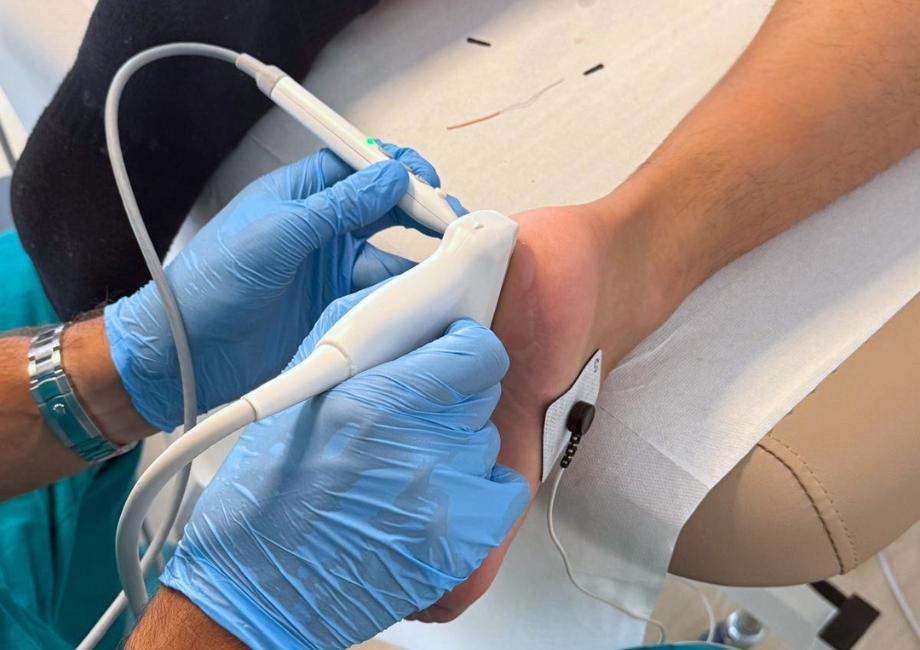
Percutaneous electrolysis is now one of the most advanced techniques for treating musculoskeletal conditions, thanks to its ability to deliver targeted treatment under ultrasound guidance. In this context, Physio Invasiva 2.0 stands out as a solution designed to integrate precision, technology, and clinical control within daily practice.
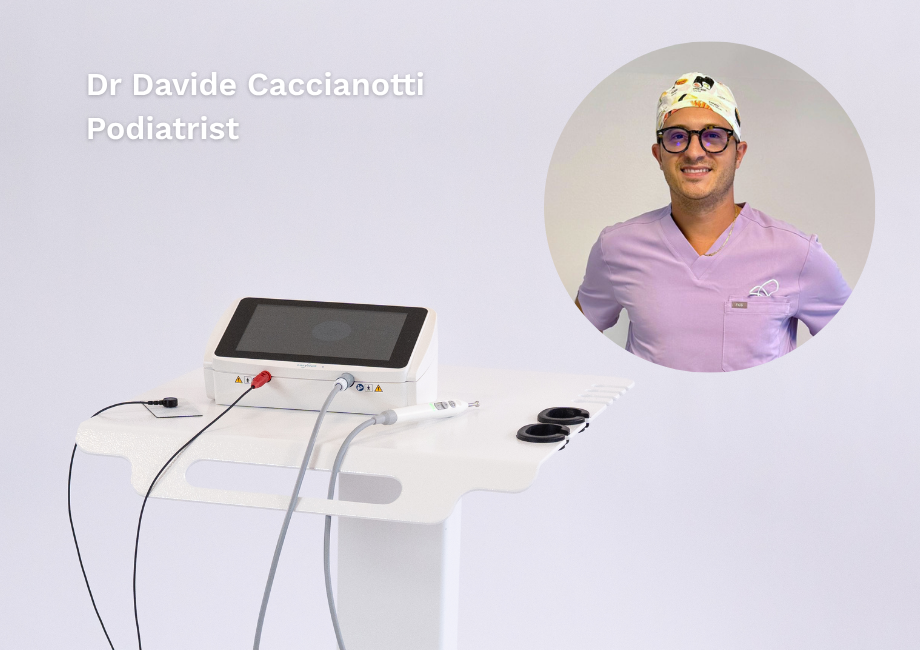
We interviewed Dr Davide Caccianotti, graduated in Podiatry from the University of Milan and specialised in foot surgery, to explore how this technology is used in daily practice, what benefits it offers in patient management and what impact it has on the organisation of the practice.
What was your professional situation before adopting this technology, and what clinical challenges did you feel needed to be addressed?
I turned to electrolysis to tackle two main challenges in our field of podiatry: plantar fasciitis — which is probably the heel condition we see most often in our practice — and Achilles tendinopathies, both insertional and non-insertional. Before this technology, our approach was the classic podiatric rehabilitation one: orthotics and exercises. However, we often had to refer patients elsewhere for instrumental therapy.
What were the main challenges before introducing this technology, and what has changed?
The main issue was the fragmented nature of the care pathway: part of the treatment was managed in-house, whilst for other therapies the patient had to seek care elsewhere. Today, we are able to provide more comprehensive care for the patient, with therapeutic continuity and greater clinical oversight, as well as promoting the use of ultrasound, both from an organisational and economic perspective.
What distinguishes this approach, and how is it perceived by the patient?
Electrolysis allows for a much more precise approach. Using ultrasound, you locate the injured area and treat it at that exact spot. The patient perceives it as an advanced and targeted treatment, which boosts their confidence in the treatment plan.