
Ultrasound and physiotherapy: when ultrasound is useful to the physiotherapist

ecografia e fisioterapia: quando l'ecografo è utile al fisio

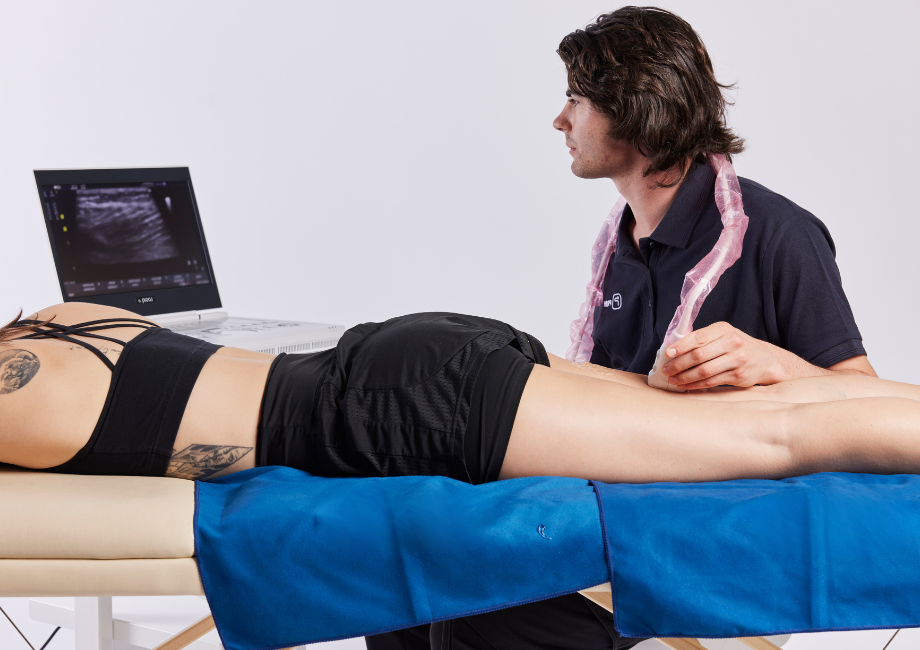
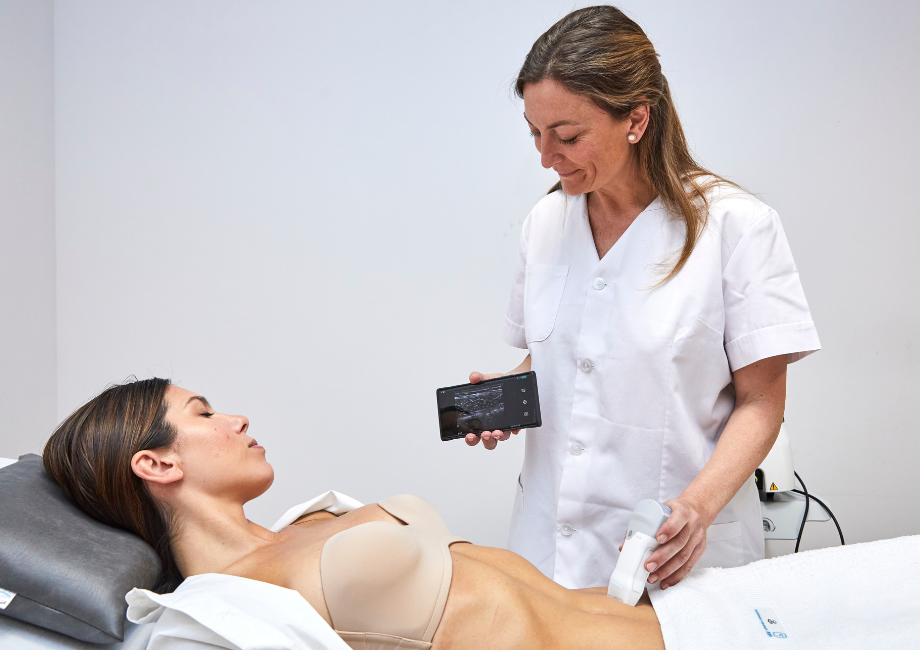
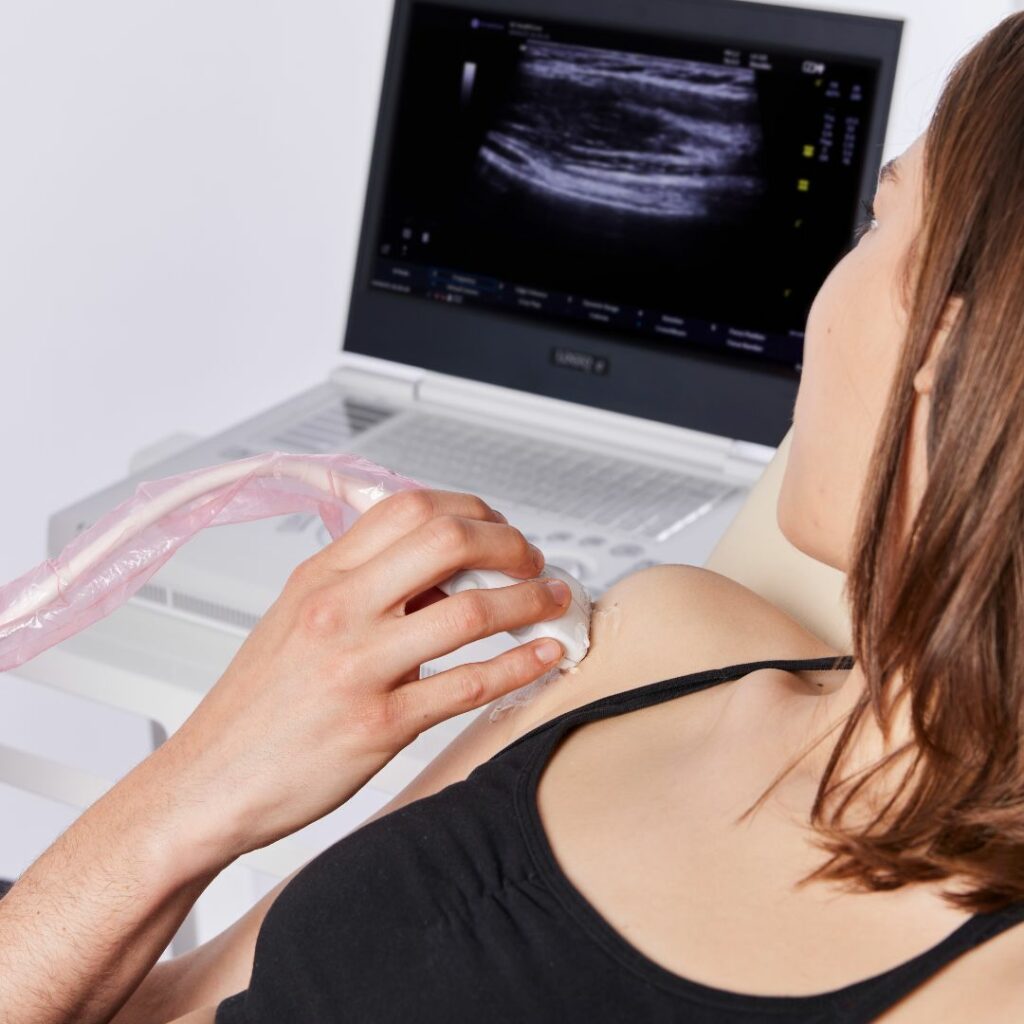
Rehabilitative Ultrasound Imaging (RUSI) represents a method that supports both assessment and therapeutic intervention and, when correctly integrated into the rehabilitation pathway, can have a significant impact on clinical outcomes.

Support to assessment:

  • Observation of muscle, tendon, ligament, nerve, and joint morphology and function;
  • Quantification of structural and/or inflammatory damage;
  • Integration into the screening-for-referral process.

Support to therapeutic intervention through:

  • Monitoring of biological tissue damage to ensure appropriate functional progression;
  • Ultrasound-guided instrumental physical therapies;
  • Active exercise with ultrasound biofeedback.

Below are three common scenarios in which the use of ultrasound concretely changes the physiotherapy approach.
  • When movement is an integral part of the ultrasound assessment
  • Persistent pain with unclear clinical signs
  • The need to precisely modulate workload
  • Ultrasound: the added value of your sessions
  • Want to know more or receive commercial offers?

When movement is an integral part of the ultrasound assessment

In many conditions, tissue behavior during movement is more informative than static observation. Active exercise with ultrasound biofeedback allows the physiotherapist to integrate functional analysis with dynamic visualization.

This approach is particularly useful for:

  • interpreting compensatory patterns and motor control strategies;
  • understanding discrepancies between strength, pain, and function;
  • adapting exercises and motor demands in a more specific and targeted way.

In these cases, ultrasound does not replace the clinical examination but enhances its interpretation.

Persistent pain with unclear clinical signs

One of the most common scenarios involves pain that persists over time without a clearly defined clinical picture. In these cases, ultrasound assessment enables the physiotherapist to:

  • directly observe the morphology and function of the involved tissue;
  • to quantify structural and/or inflammatory damage;
  • integrate clinical information with objective visual data.

This helps to contextualize pain and better guide treatment, avoiding generic approaches and focusing on more effective therapeutic strategies.

The need to precisely modulate workload

Load management is one of the most delicate aspects of physiotherapy treatment, especially during progression phases or return-to-activity stages, as a patient’s subjective improvement does not always correspond to an adequate tissue condition. In these contexts, ultrasound supports the physiotherapist in:

  • monitoring tissue status in relation to the load already tolerated;
  • deciding whether it is appropriate to progress or to maintain a more conservative approach;
  • personalizing exercise intensity and timing.

As a result, decisions are not based solely on immediate clinical response, but on a more comprehensive and coherent evaluation.

ecografia e fisioterapia: quando l'ecografo è utile al fisio

Ultrasound: the added value of your sessions

Ultrasound in physiotherapy is not an end in itself, but a tool that supports the physiotherapist’s decision-making process. It is valuable for:

  • reducing clinical uncertainty
  • improving the accuracy of therapeutic choices
  • making treatment sessions more targeted and personalized

Ultrasound is an integral part of modern physiotherapy, focused on functional assessment.

Want to know more or receive commercial offers?

To know more, write at info@easytechitalia.com or call 055 8455216.

Previous Post
Visit FIF with us
Other articles