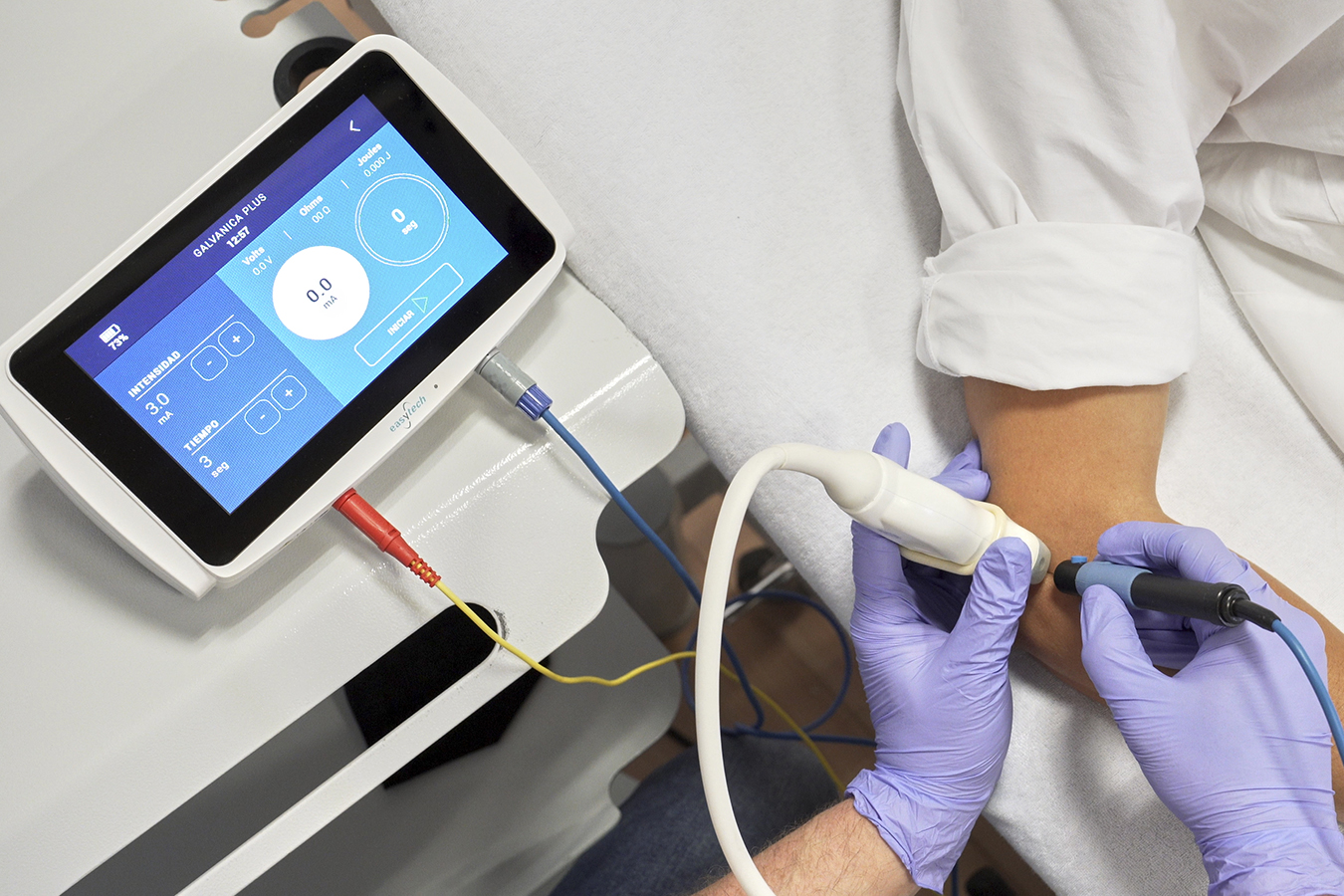
UltraSound-Guided Percutaneous Electrolysis Technique (also known as USGET) is a relatively young procedure in Italy.
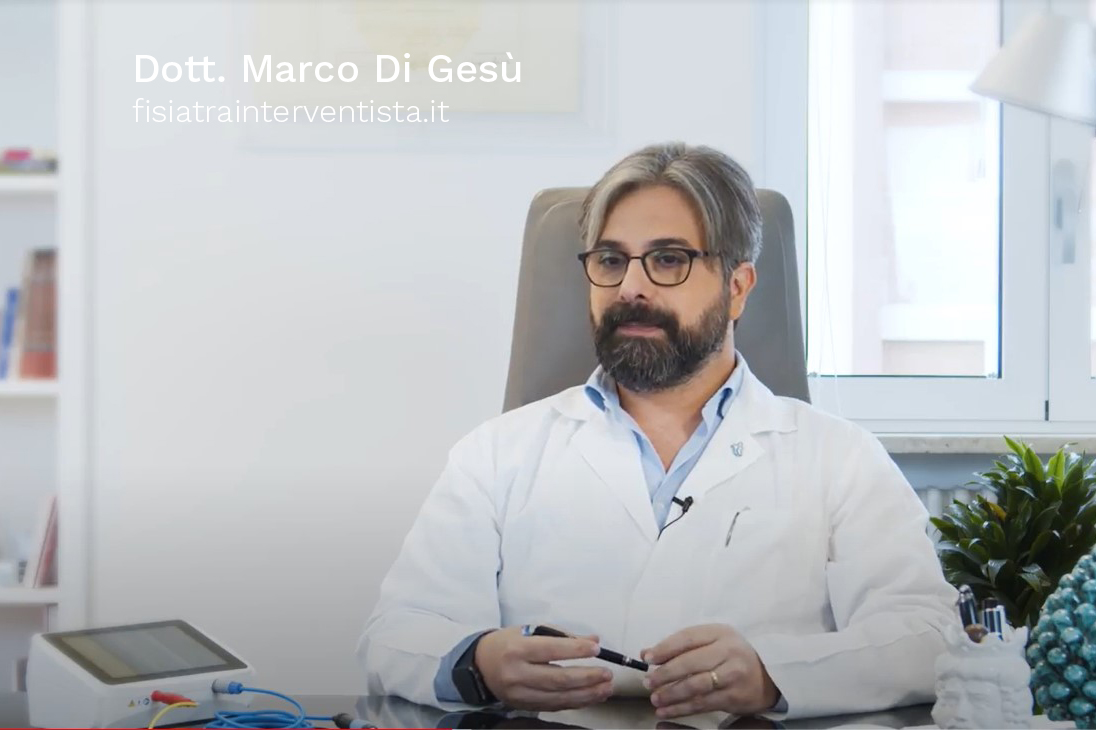
Dr. Marco di Gesù, ANFI – Associazione Nazionale Fisiatria Interventistica – associate tells us about his experience using Physio Invasiva 2.0, the device specifically developed by Easytech to perform USGET.
When did you first start adopting Physio Invasiva 2.0?
I started adopting Easytech device Physio Invasiva 2.0 a few months ago, but have been performing USGET since 2017.
What has directed you towards this particular procedure?
USGET provided me with solid results as for the treatment of some tendinopathies that were not responsive to other types of treatment. In particular, it was the success I was able to achieve in a case of chronic epicondylitis that led me to perform USGET.
For what types of pathologies or patients would you most recommend USGET?
Indeed, its use is most suited for chronic tendon pathologies compatible with an ultrasound picture describing cases of tendon degeneration. In these cases, USGET represents, in my opinion, a most valid choice for several reasons:
- The scarce invasivity, minal contra-indications make it preferable to other available techniques.
- The simplicity of execution.
- The way it perfectly integrates within the physiotherapeutic rehabilitation path.
Can you discuss more in depth the therapeutic advantages of USGET when compared to other available techniques?
Physical therapies, shock waves, and infiltrative techniques are just some of the techniques most widely used in the Interventional Physiatry field.
When compared to these other techniques, USGET certainly is less invasive and much more “precise”, while, for example, shock waves, which employ cavitation as a physical therapeutic phenomenon, are a much less “precise” technique.
USGET is also one of the less painful and costly treatments for the patient. The patient will in fact feel only a minimal amount of pain during the treatment which, if requested, can be preceded by a small local anesthesia.